POP! Protectors of Play in Action!

Screenshot

Hello Play Advocates!

Exciting steps to protect opportunities for play and experiential learning for children are happening in New York City!

POP! (Protectors of Play) has had a busy few months! 

This summer we have:

  •  expanded our base for the Play-In (See some of our collaborators below!)

  •  sent our open letter to the mayor and chancellor asking for support for play and experiential learning (and still waiting for a response),

  •  are working with individuals on the governor’s Early Childhood Council to draft a bill supporting play,

  •  met with the NYC City Council Education Committee Chair, Eric Dinowitz,

  •  applied for a grant to help with a wesbite/ advocacy

  • have a few podcasts in the works (we will share and post when they are available!)

  •  Are planning a webinar about play with the New York Association of Colleges for Teacher Educators (NYAECTE)

  • Created a website! Check it out! https://www.nycplays.org/

  • Submitted a park permit for our  “Play-In”   on September 26th  from 11-1.

We are currently in the planning stage for our PLAY-IN!  It is scheduled for September 26th from 11am-1pm!  We are working to get a permit at City Hall Park, and have an indoor location in mind if that doesn’t work out. We are starting to plan for this now and hope to meet every few weeks to make this action impactful and FUN! We are collaborating with local and National Advocacy groups like Families and Educators for Responsive Instruction (FERI), Racially Just Public Schools (RJPS), FairPlay, People’s Early Childhood, The National Institute for Play, The International Play Association, Black Children Play, and getting other groups and institutions to sign on as supporters as well!  We want the Play-In to be a celebration of play, an opportunity to share some education about why play is good for the brain and democracy, and of course to PLAY!  We want to have games and activities for people of all ages, and plan on having a media presence as well – we need YOU to help make this happen!. Please reach out if you want to join in the planning and/or volunteer to facilitate the play-in! (bring a game/ activity, help set up, clean up, etc.).

Please take a few minutes to fill out this survey: https://forms.gle/dHJ4ri5S4fzZYiCx6

We want to connect with you all in ways you prefer, build on our individual strengths, and find ways to do some work asynchronously while still staying in the loop!

Thank you for your advocacy for children, human development, and democracy!

Warmly,

Renee Dinnerstein, Beverly Falk, Lauren Monaco, Deborah Meier, Gil Schmerler, Anna Allanbrook, Beth Ferholt, Fanny Roman, and Nancy Cardwell

Here is our new website. Check it out!

https://www.nycplays.org/

Screenshot

A Letter asking for a return to inquiry and play in the early childhood grades.

Dear friends, Colleagues, anyone who cares about the education of young children,  

I realize that we are being bombarded with internet petitions and letters to sign. However, this letter is quite straightforward and is so important for children in prekindergarten, kindergarten and first grade (even beyond!) I hope you will take the time to sign it and to pass it on to friends and family to sign. We MUST stop this insane push towards worksheets, hours of repetitive phonics and, in many schools, total lack of play and inquiry based learning.

Our children need our help!

PLEASE CLICK THIS LINK TO SIGN AND SUBMIT THE LETTER!

https://docs.google.com/forms/d/1pxhAuK7l1lGSbQB6CrPiwebmj5eYV2AnGEZwElRk0d4/viewform?edit_requested=true


AN OPEN LETTER TO PROTECT PLAY AND EXPERIENTIAL LEARNING 

Dear Mayor Mamdani and Chancellor Samuels,

We are educators and parents/caregivers who write to implore you to protect play and experiential learning in the early childhood grades in our public schools.   

In recent years, our nation’s focus on meeting standards in English language arts, mathematics, and other content areas has led to changes in learning environments for young children:  away from opportunities for inquiry, active, play-based and project-based learning to teacher-directed instruction of mandated, scripted curricula and preparation for standardized tests.  However, research from “the science of learning” – understandings from the neurological, biological, and developmental sciences – confirms that active learning and play-based experiences are a critical component of how young children learn.  It is through what people call “play” – active, exploratory, inquiry learning opportunities grounded in children’s interests and questions, and that are responsive to children’s cultural and linguistic backgrounds – that the brain is developed. The neural connections resulting from these active experiences translate to building and strengthening children’s content knowledge, language, and physical, social, and emotional competencies.   Play is recognized by the United Nations as a fundamental right of children everywhere.  According to the American Academy of Pediatrics, play gives children the opportunity to develop their creativity and imagination, as well as physical, cognitive, and emotional strength.

We therefore respectfully call on those responsible for the policies that guide education in our centers and schools to create laws/policies that support and protect play and experiential learning opportunities for all young children.  Several states have already passed legislation in this vein, most notably Massachusetts, Connecticut, Oregon, New Hampshire, and Oklahoma.

WE CALL ON The New York City Public Schools (NYCPS) TO:


  • Support research-confirmed practices that are developmentally-appropriate for the globally recognized early childhood years (birth – age 8):  Provide prek and kindergarten children with opportunities to experience child-initiated play during the instructional time of each regular school day 
  • Permit teachers to utilize experiential learning and play-based learning during the instructional time of a regular school day for all students in grades one to five.
  • Provide teachers with the opportunity to adjust instruction and curriculum to be responsive to children’s understandings, questions, interests, languages, and cultures.


Play is critical to healthy brain development. Play is not a distraction from learning. It is the intellectual work of children and the means by which they become thinkers, creators, and members of a democratic society. If we are to live up to the ideals of public education as a democratic institution, we must recognize the profound importance of play—not just as a pedagogical choice, but as a matter of educational justice, human development, and social progress.

We thank you for your leadership and urge you to use these science-based recommendations to help you guide your administration’s educational priorities.


Sincerely,


Update – AN OPEN LETTER TO PROTECT PLAY AND EXPERIENTIAL LEARNING

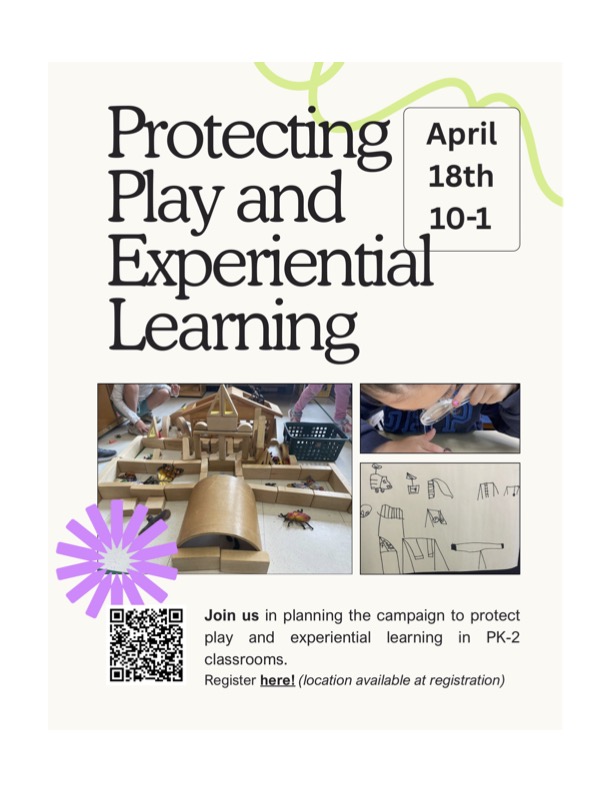
If you’re in NYC and would like to help us in planning the campaign to protect play and experiential learning in PreK – 2 classrooms, please register to join us. 

CLICK THIS LINK TO REGISTER: https://docs.google.com/forms/d/1RHVjfNJGe0_G65qcrbIvUnrQMDzlCyaXu7DCWoVKmX8/edit?usp=drivesdk

                                                      ALSO , PLEASE SIGN OUR OPEN LETTER TO PROTECT PLAY!

Sign Our Open Letter to Protect Play
AN OPEN LETTER TO PROTECT PLAY AND EXPERIENTIAL LEARNING

Dear Mayor Mamdani and Chancellor Samuels,

We are educators and parents/caregivers who write to implore you to protect play and experiential learning in the early childhood grades in our public schools.

In recent years, our nation’s focus on meeting standards in English language arts, mathematics, and other content areas has led to changes in learning environments for young children: away from opportunities for inquiry, active, play-based and project-based learning to teacher-directed instruction of mandated, scripted curricula and preparation for standardized tests.

However, research from the science of learning – understandings from the neurological, biological, and developmental sciences confirm that active learning and play-based experiences are a critical component of how young children learn. It is through what people call play- active, exploratory, inquiry learning opportunities grounded in children’s interests and questions, and that are responsive to children’s cultural and linguistic backgrounds that the brain is developed. The neural connections resulting from these active experiences translate to building and strengthening children’s content knowledge, language, and physical, social, and emotional competencies.

Play is recognized by the United Nations as a fundamental right of children everywhere. According to the American Academy of Pediatrics, play gives children the opportunity to develop their creativity and imagination, as well as physical, cognitive, and emotional strength.
We therefore respectfully call on those responsible for the policies that guide education in our centers and schools to create laws/policies that support and protect play and experiential learning opportunities for all young children.

Several states have already passed legislation in this vein, most notably Massachusetts, Connecticut, Oregon, New Hampshire, and Oklahoma.

WE CALL ON The New York City Public Schools (NYCPS) TO:
*Support research-confirmed practices that are developmentally-appropriate for the globally recognized early childhood years (birth- age 8):

*Provide prek and kindergarten children with opportunities to experience child-initiated play during the instructional time of each regular school day.

*Permit teachers to utilize experiential learning and play-based learning during the instructional time of a regular school day for all students in grades one to five.

*Provide teachers with the opportunity to adjust instruction and curriculum to be responsive to children’s understandings, questions, interests, languages, and cultures.

Play is critical to healthy brain development. Play is not a distraction from learning. It is the intellectual work of children and the means by which they become thinkers, creators, and members of a democratic society. If we are to live up to the ideals of public education as a democratic institution, we must recognize the profound importance of play, not just as a pedagogical choice, but as a matter of educational justice, human development, and social progress.

We thank you for your leadership and urge you to use these science-based recommendations to help you guide your administration’s educational priorities.

Sincerely,


* Indicates required question
Sign with your Name, title/affiliation, here
*

Add your email here
*
CLICK THIS LINK TO SENDhttps://docs.google.com/forms/d/e/1FAIpQLSdh4B1tWKRhTWqshmYxWwMkANYLa4XpjCGNrMJr3cFaxQmBjQ/viewform?usp=sharing&ouid=116774326525510842737

Educators Thoughts On Teaching the Way Children Learn


A group of educators recently decided to meet on Zoom to discuss what we could do about the disturbing direction of Early Childhood education in the New York City public schools.  Years that should be filled with opportunities for exploration, inquiry, social interaction and play have turned into days filled with scripted, direct instruction. This leaves very little, and in many cases, no, opportunities for joyful, engaged learning and informative, insightful and fulfilling  teaching. We have composed a proposal that we will present to Mayor-Elect Zohran Mamdani and to his eduction transition team.

Ideally, we would like our proposal to be circulated as widely as possible. To this end, we hope that you will share it with anyone who is particularly concerned with the education of  children, 4 to 8 years old.

We would also love to have your feedback.

Here is who we are .

Anna Allanbrook    (retired principal, The Brooklyn New School)

Nancy Cardwell Ph.D  (faculty member, Graduate Program in Early Childhood Education, School of Education , The City College of New York)

Renee Dinnerstein  (Early Childhood Literacy Consultant)

Beverly Falk Ed.D  (director, the High-Quality Early Learning Project and Professor/Director Emerita, Graduate Program in Early Childhood Education , The School of Education, The City College of New York)

Deborah Meier,  (founder and retired director , Central Park East schools)

Lauren Monaco  (early childhood educator and activist)

Gil Schmerler, Ed.D ( retired director.  Leadership for Educational Change, Bank Street College of Education)


                                                                Our proposal
We are a group of NYC educators – founders/principals of learner-centered schools, faculty of the City College School of Education and Bank Street College of Education, and teacher/parent activists for learner-centered education. We write to share some of our thoughts/concerns/recommendations for the NYC Public Schools that we hope the Mamdani administration will consider and put into action. While there are many structural/budgetary issues that need to be addressed, we are especially concerned with early childhood education and will focus on this – our area of experience/expertise. What follows are some of our concerns with recommendations for how to address them.

1. We believe that the NYC Public Schools (NYCPS) view of early childhood is too narrow.

Currently, early childhood – and the central administrative team overseeing it – considers early childhood to be birth – 4. The nationally recognized professional standard and developmentally-based age range for early childhood is birth – age 8. It is widely accepted in the fields of education, medicine, psychology and neuroscience that during the first 8 years of life optimal development is supported by active learning/play where children have extensive periods for choice and inquiry facilitated by teachers’ responsiveness to children’s questions, interests, and understandings. Young children learn through active involvement with materials and relationships with children and adults. Unfortunately, in too many classrooms there are no opportunities for this: no choice/work time, no materials with which to engage in educative play. Kindergartens throughout the NYC Public Schools do not have choice/work centers, blocks, dramatic play areas, trips, and/or recess. Work sheets and didactic teaching dominate the day, with brief periods of ‘playtime’ given as a reward at the end of the day. The absence of educative play opportunities in kindergarten through 2nd grade is resulting in increased incidences of anxiety and depression. Some pediatricians have noticed a significant enough pattern to call this ‘play deprivation’.
We recommend instead:
– Align the NYCPS early childhood definition with national, professional, and global standards, birth to age 8 years, specifically to include kindergarten through 2nd grade.
– Give responsibility for young children’s learning in K-2 to the NYCPS early childhood team.
– Ensure that choice/work time be a prominent part of every early childhood classroom where children can make choices, engage in inquiry.
– Ensure early childhood classrooms be amply provisioned with materials for active learning, including (but not limited to) blocks, manipulative materials, dramatic play equipment, books, and art supplies.
– Ensure all children have at least an hour of outdoor play/recess each day

2. We are concerned about the damaging effects of the mandated, scripted curricula implemented in all grade levels.

Developmental and neuroscience research have established the importance of educators’ responsiveness to children’s interests, questions, cultural and linguistic backgrounds. A scripted curriculum does not allow opportunities for the “serve and return” exchanges that neuroscientists point to as critical for optimal brain development. Further, the scripted, generic curriculum doesn’t provide the necessary responsiveness to the diversity of children’s and families’ backgrounds, because the mandated, scripted curriculum does not connect to the children’s backgrounds/contexts/languages. Children and teachers are required to be passive recipients of external forces, rather than dynamic and active participants in their learning as promoted by neuroscientists, psychologists, and pediatricians. Additionally, millions of dollars are being spent on purchasing and enforcing use of these curricula that could be better spent in ways we suggest below.
We recommend instead:
– Center curriculum development around national/state/district/professional standards, for example, those of the National Association for the Education of Young Children
(NAEYC).
– Collaborate with community-based teachers’ and parents’ groups to choose/shape/develop their own curricula that is relevant/connected to the contexts of children’s lives.
– All curricula should be mapped to demonstrate the coverage and alignment with national/state/district/professional standards.
– Offer ongoing, substantive professional development to support educators’ content and pedagogical knowledge to sustain young children’s learning and optimal development.
And/or
– Offer pre-developed curricula, as guides, that integrate young children’s diversity of experiences/languages/cultures, making it clear that the curricula are guides, not mandates.
– Offer ongoing professional development to assist educators in how to be responsive to children’s interests, questions, different strengths and modes of inquiry, cultural/racial/linguistic backgrounds
– Provide active learning/play-based environments that will develop young children’s academic skills, content knowledge, social emotional learning and critical thinking skills to help them distinguish between facts and misinformation.
– Provide time in the school day for young children to exchange ideas, learn to listen to and be respectful of others, and reposition children as well as the teacher as resources for learning in the classroom.
– Provide time for conversations and relationships in the classroom to support the development of empathy and understanding toward others that are critical to learn about and sustain a democratic community in the classroom in preparation for life-long, active civic engagement. For example, in Denmark all children aged 6-16 years have a period in their school day focused on the development of empathy toward others. This contributes to the fact that they are ranked internationally as the happiest society in the world.

3. We are concerned about the reading programs that do not reflect the consensus research from developmental psychologists and neuroscientists about how children learn to read.

We are further concerned about the lengthy periods of time spent on worksheets, passive instruction on phonics, phonemic awareness, and decontextualized skills at the expense of meaning making and other elements of literacy development. Neuroscience advocates for a dual focus on meaning-making elements (content and experience-based knowledge, children’s interests, culture/linguistic backgrounds) in addition to decoding elements (phonics, phonemic awareness, alphabet knowledge etc. See chart below.
We recommend instead:
– Expand the notion of reading development beyond phonics by adding the extensive rich supply of children’s literature to skill instruction in order to capture children’s interests and excitement that has been proven to enhance the literacy learning process.
– Infuse literacy learning into active, project-based learning experiences across all content areas, both fiction and non-fiction. We also urge the use of ‘functional literacy development’ that includes making signs in the block area, writing lists, letters, and labels in dramatic play areas, using charts to document children’s comments, questions, ideas and understandings, and pointing out awareness of environmental print, etc.

4. We are concerned about the overuse of testing that does not support children’s learning and that consumes inordinate amounts of educators’ time.
We recommend instead:
– Encourage and support educators’ use of professional development standards-based performance assessments and multiple forms of data collections mapped to standards. This can include portfolio collections of children’s work, documented observations, and the use of developmental continua mapped to professional, national, state, and district standards. This approach was developed in NYS in the 1990s and early 2000’s and has data to back up its efficacy.

5. We are concerned about the overuse of screens and artificial intelligence in schools.

Developmental and neuroscience psychologists along with pediatricians warn against screen time for children, especially young children under 9 years old. Neural connections that are the brain structures that support learning are consolidated quickly and effectively with ‘serve and return’ relational and in real-life interactions rather than through abstracted online/digital encounters. Additionally, artificial intelligence can be deceptive and keep children from developing the social emotional and relational intelligence necessary for sustained relationships throughout the lifespan as well as developing the skills they need to be critical thinkers and distinguish reality from misinformation.
We recommend instead:
– Limit screen time and the use of artificial intelligence to encourage real-life, in-person interactions that support learners to learn how to be critical thinkers and to distinguish fact from fiction. Limiting screen time is an important support to help children develop social emotional learning to support interactive and project learning.
– Provide ongoing professional development to help educators develop ways to harness technology in developmentally supportive ways to nurture healthy brain development and learning.

6. We are concerned that large numbers of children and families in NYC schools are unhoused, suffer from food insecurity, and/or are in need of comprehensive supports to survive.

Additionally, we see a need for schools to attend to the voices and concerns of parents/families/caregivers in the community and involve them in the learning life of the school.
We recommend:
– Reintroduce the community school model that utilizes the resources of community-based organization such as the Children’s Aid Society to provide the necessary supports like access to food, housing, health screening, vaccines, dental care, hearing exams, eye exams all critical for children’s academic success.
– Create collaborative governance structures that give voice to parents/families/caregivers/community concerns in decisions about the education of their children.

Respectfully submitted (in alphabetical order):
Anna Allanbrook, retired principal, the Brooklyn New School
Nancy Cardwell, Ph.D., faculty member, Graduate Program in Early Childhood Education, School of Education, The City College of New York
Renee Dinnerstein, early childhood literacy consultant
Beverly Falk, Ed.D., director, The High-Quality Early Learning Project and Professor/Director Emerita, Graduate Program in Early Childhood
Education, The School of Education, The City College of New York
Deborah Meier, founder and retired director, Central Park East Schools
Lauren Monaco, early childhood educator and activist
Gil Schmerler, Ed.D., retired director, Leadership for Educational Change, Bank Street College of Education
In Defense of Teaching the Way Children Learn

In a recent conversation with Beverly Falk, the topic of education and literacy came up, as it so often does, when we have telephone conversations. Beverly told me about an article that she wrote with Gil Schmerler.  

I asked Beverly to  email the article to me and after reading it I realized. how very important  it is to share with others. . I’d like to follow up by writing, in another post, about grades K-2, what I think literacy instruction should look like in those grades and what I believe to be the priorities for children 5-7. For now, I hope you can read and share this wonderful article with teachers, parents, school administrators and all friends who are interested, or who should be interested,  in children being taught literacy the way they naturally learn.

                             In Defense of Teaching the Way Children Learn

by Beverly Falk, Ed.D., Professor and Director Emerita, Graduate Programs in Early Childhood Education, The City College of New York/The City University of New York
Gil Schmerler, Ed.D., former Director, Leadership for Educational Change, Bank Street College of Education
Abstract: This “back-talk” piece challenges current interpretations and practices of “the science of reading” and the ways in which mandated, scripted curricula, based on the misleading interpretations, are being used. It argues for a more comprehensive view of what it takes to become a reader than the phonics-supreme view currently dominating schools, citing scientific research. It also argues for pedagogies that allow teachers to use their professional knowledge to teach in the ways that children.


The “reading wars,” which dominated educational debate throughout the twentieth century and into the twenty-first, seem to have ended… and with incredible speed. Across the country, schools seem to have accepted an interpretation of the “science of reading” as a phonics-centric method of instruction. Clearly, to ideological proponents and much of the public, the lack of sustained phonics instruction is seen to have been at fault for what Americans perceive as a dramatic loss in reading skills over recent decades.

It’s harder to say how our education establishment reached such a dramatic, definitive conclusion. The covid pandemic, a wave of corporate mergers (leading in this case to a few powerful textbook and curriculum companies), the domination of social media as a communications source, and, maybe, a generally more rightward drift in our national politics, may all have contributed. A 2022 popular podcast by a journalist who interviewed parents concerned about their children’s progress during the pandemic, , convinced millions that the “balanced literacy” increasingly practiced by teachers of reading was all wrong and failing our students.

But who, exactly, has been “sold a story”?

True, early in the reading reform movement, there were those who reacted against past rote skill/drill instruction in reading and did not focus enough on phonics and other sound/symbol skills. But advances in neuroscience demonstrated what effective reading teachers had always included in their instruction – that knowledge of phonics (sound/symbol connection) and phonemic awareness (sound/hearing connections) are critical to literacy development. These enhanced understandings from neuroscience also documented other critical components of how learners become readers that are currently receiving short shrift. These were noted as early as 1999 in a National Research Council report, researched and written by many of the world’s most renowned literacy experts who unequivocally stated that the “science of reading” should not be “either/or” (phonics vs. other skills) but “both/and” (phonics, phonemic awareness, AND comprehension, vocabulary, interest, structure of written language, spelling, and lots of opportunities to read).

And while the increase in recently-released test scores for students in New York City are leading people to believe the increased emphasis on phonics is responsible for the change, as educators who have spent our lives working in schools, we are concerned about the way the “science of reading” is being misinterpreted as an overwhelming focus on only one part of the literacy learning process – isolated drill of phonics and phonemic awareness – to the exclusion of the full range of holistic reading skills. We are equally concerned about the way that districts are mandating this phonics-dominated curricula and scripted lessons. Teachers are being required to have “fidelity to the curriculum” rather than fidelity to knowledge of their learners and how they learn.

The companies producing these curricula are effectively taking over the teaching in schools. Their textbooks and curricula are costing millions of dollars that could otherwise be spent on professional development and other resources. But the most profound damage of all this, in our opinion, is that these curriculum mandates and pre-fabricated scripts are robbing educators of their professional judgment. Scripted mandated curricula do not allow teachers to attend to the learners in front of them. They prevent teachers from doing the essence of teaching: using knowledge of human development to guide teaching and the development – or at least use – of curriculum. They do not honor what neuroscience points to: the importance of educators making connections with learners’ understandings and being responsive to learners’ interests and cultural/linguistic backgrounds in order to genuinely support their learning.

Many teachers are decrying the negative changes they have had to make to their teaching as a result of these curricula: how these mandates require them to spend inordinately long blocks of time on rote skill/drill, which results in the loss of active, meaningful learning opportunities that engage children’s interests; how the required texts (sometimes only parts of texts are provided) are not interesting or culturally/linguistically responsive. One teacher we interviewed expressed the concerns of many: “There is a clear change in my teaching and it is not for the better. I no longer can teach the way children learn. The joy of teaching is fading away – for me and for the children as well.”

New York City will have a new mayor and new schools chancellor in the coming school year, and many other municipalities are facing similar changes. This may be the right moment for thoughtful people responsible for schools around the country to take stock of the full range of research about how learners learn and how children move into and become expert at literacy; to honor educators’ knowledge and abilities to know and support their students; and to provide the comprehensive and rightly-deserved support, care and respect for the children, families, and communities served by our schools.

The “Voyage” of Childhood

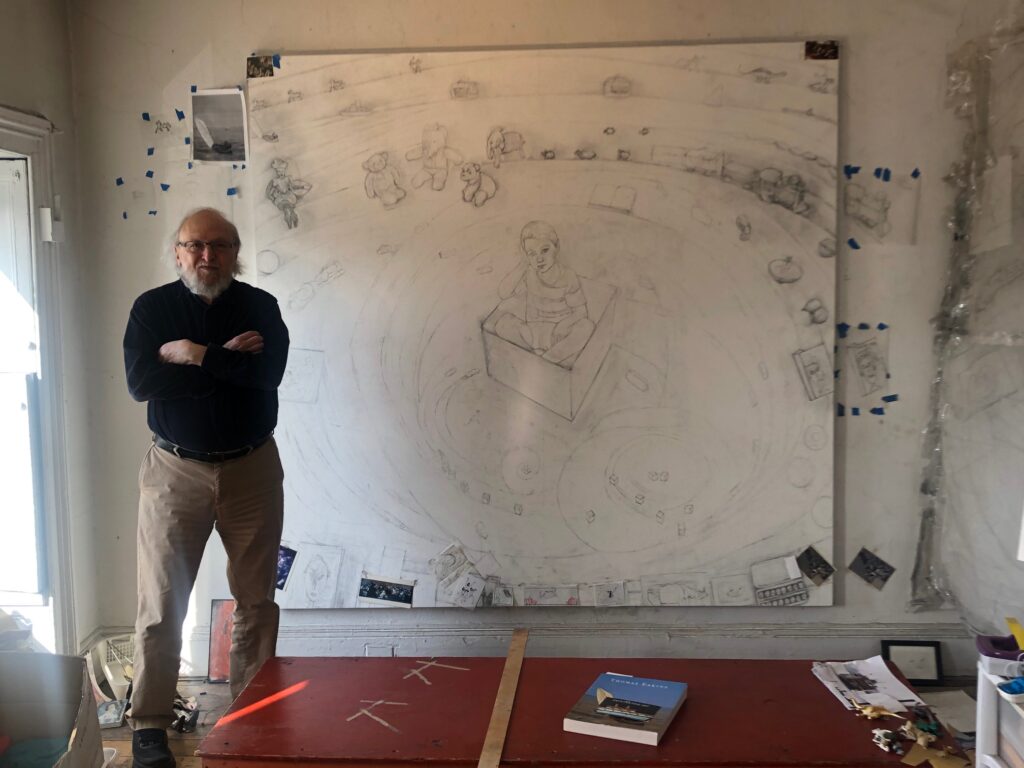
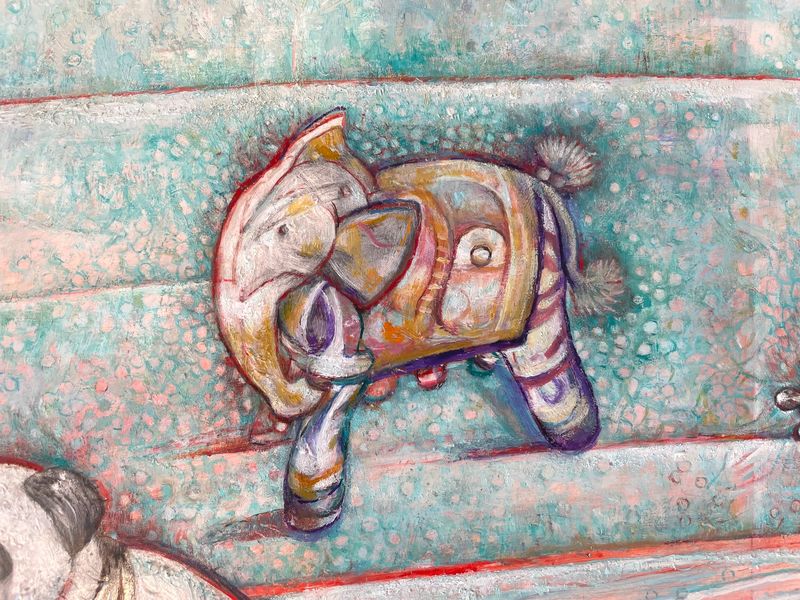
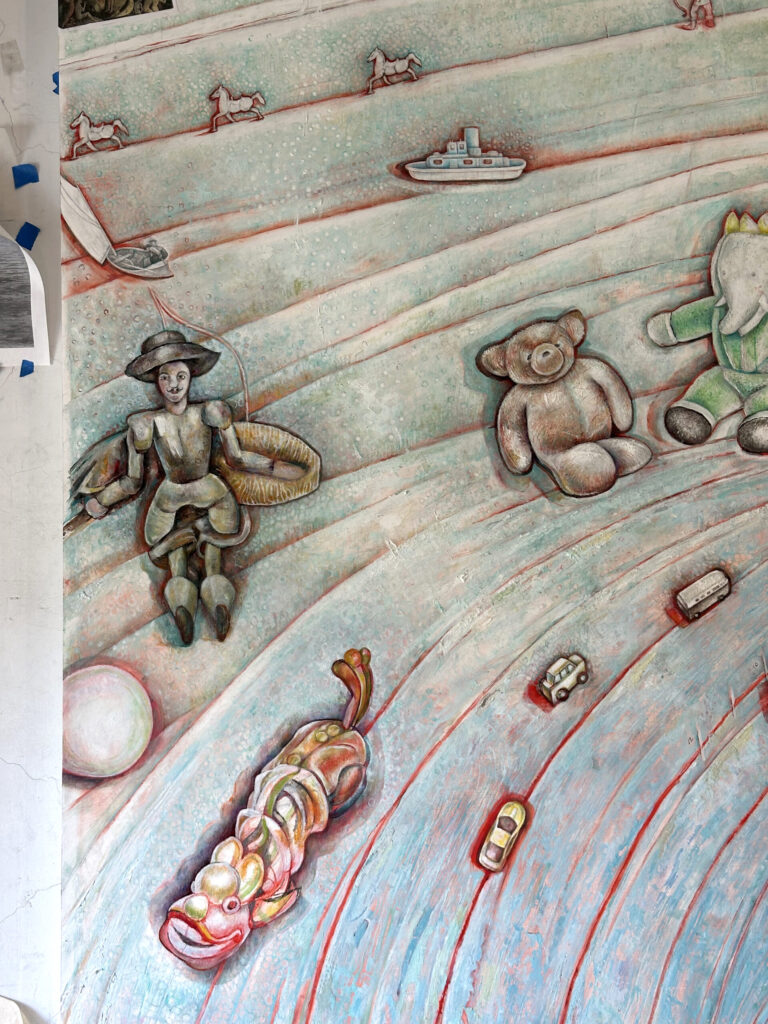
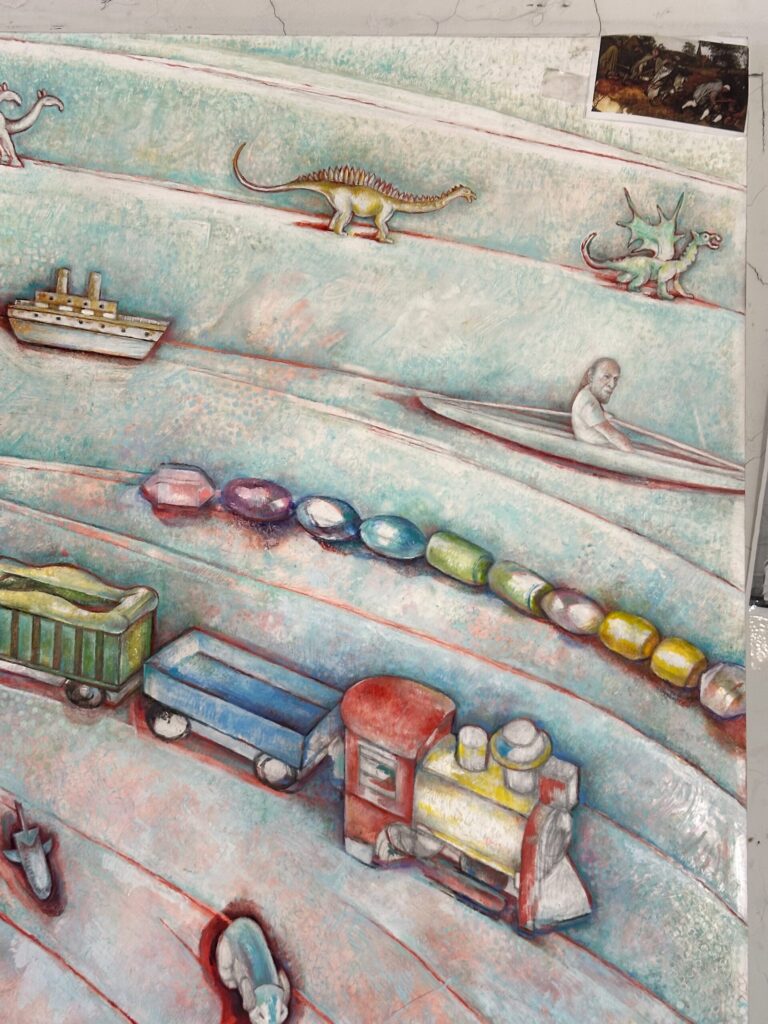
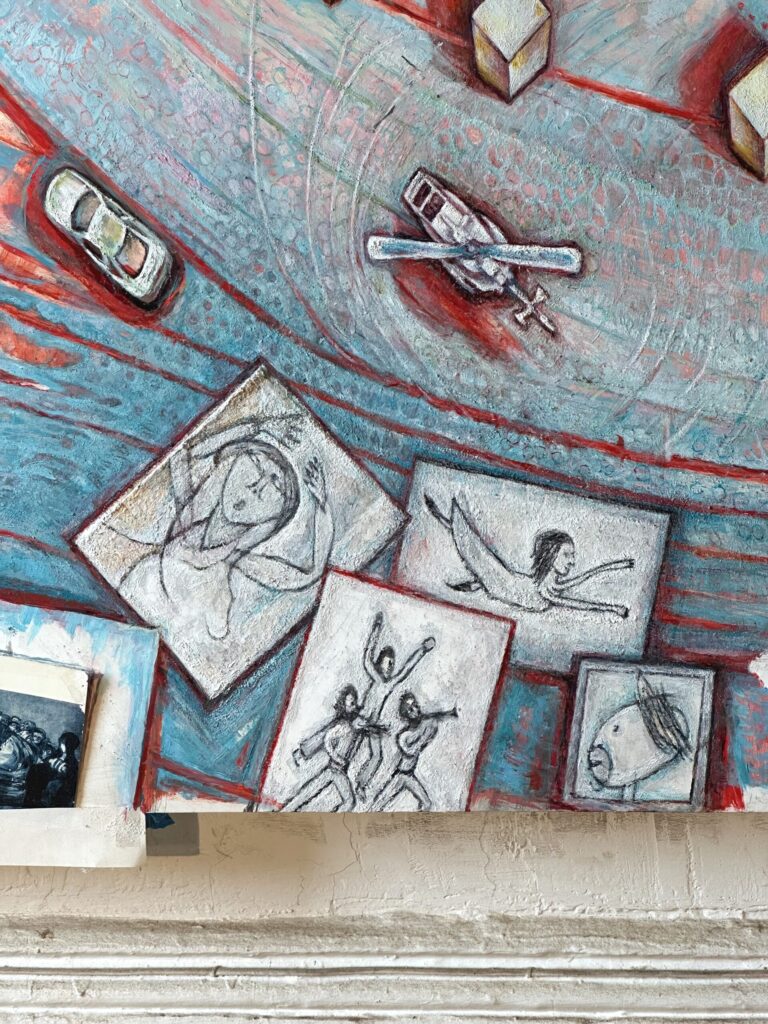
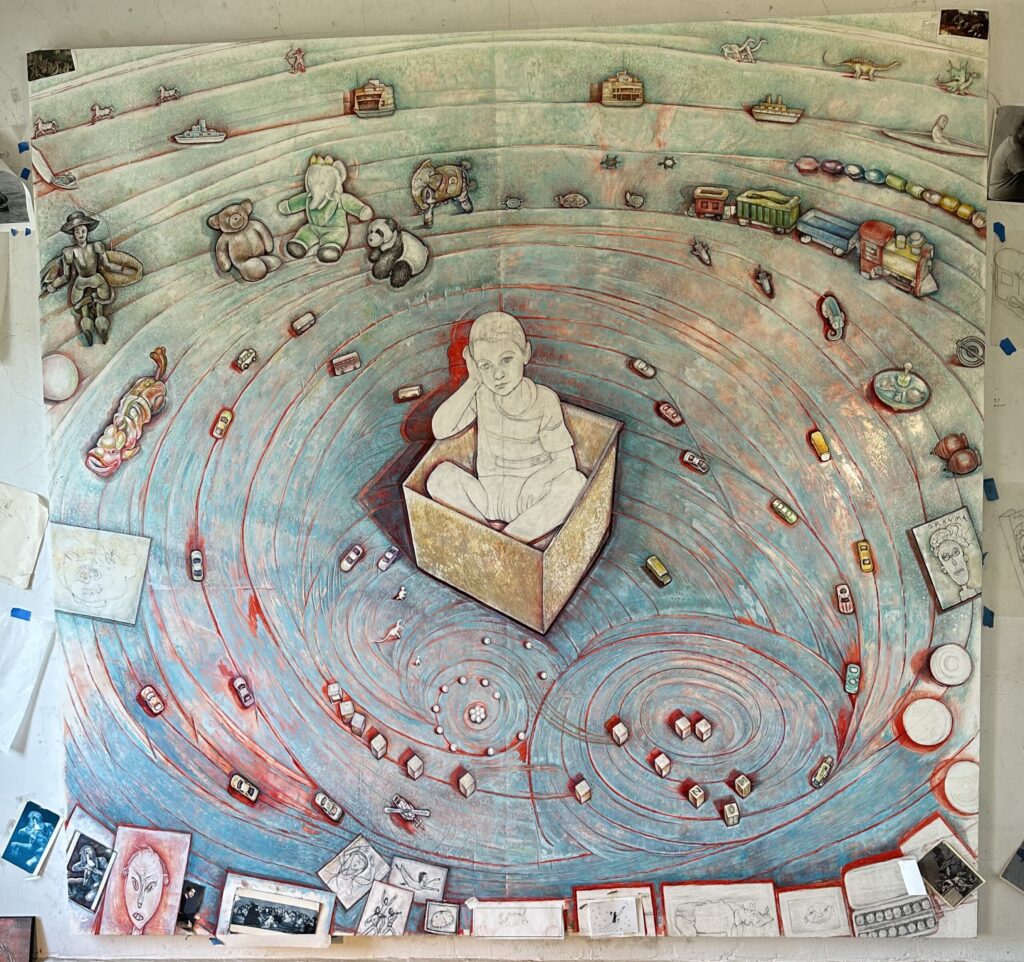
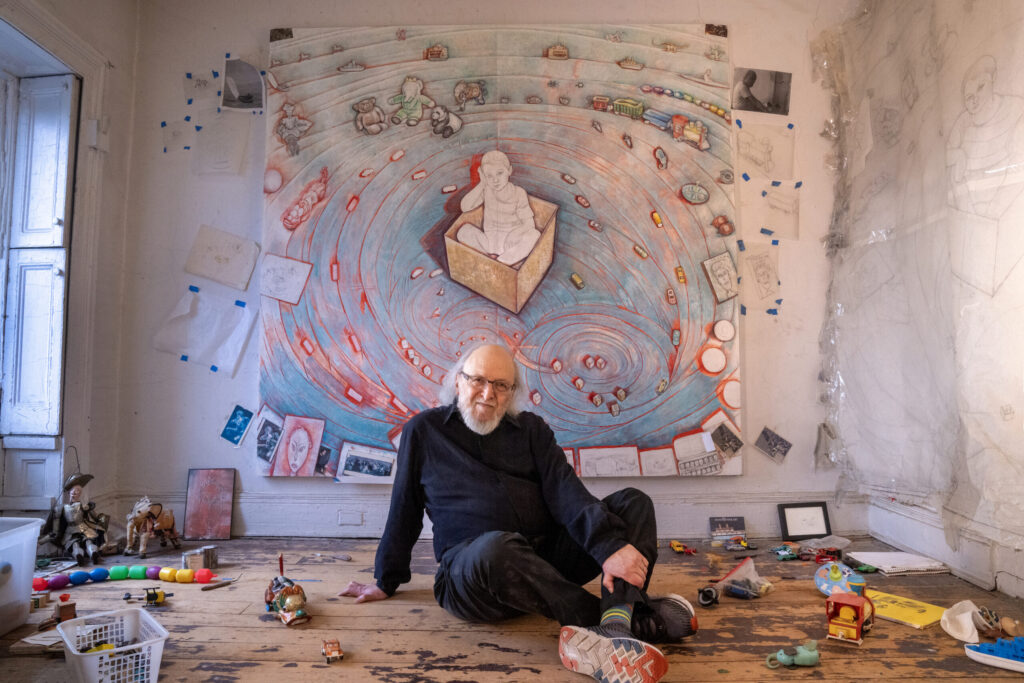
. My husband, Simon Dinnerstein, is an artist. who,since the start of the pandemic, has been working on a huge painting that literally inhabits the world of childhood. My grandson,Adrian Greensmith, who is now almost twenty-four, sits in a cardboard box in the center. How many of us have seen young children turn cardboard boxes into spaceships or castles. He seems to be in a boat, patiently waiting,  in the midst of the swirls of his upcoming journey. The painting juxtaposes all different times, people, photos – all  that could be in the lives of all children. Where is he going? That is, of course, yet to be known

So here is my 82 year old husband, reaching backwards and forward in time, as he works,, every day, on this wondrous and mysterious “Voyage.”

One day, Andrew Reiss, an artist friend, visited the studio to see the painting in progress. He seemed transfixed by the many images and began to recite, from memory, this poem by Baudelaire :

The Voyage 


For the child, in love with globe, and stamps,
the universe equals his vast appetite.
Ah! How great the world is in the light of the lamps!
In the eyes of memory, how small and slight!
One morning we set out, minds filled with fire,
travel, following the rhythm of the seas,
hearts swollen with resentment, and bitter desire,
soothing, in the finite waves, our infinities:
Some happy to leave a land of infamies,
some the horrors of childhood, others whose doom,
is to drown in a woman’s eyes, their astrologies
the tyrannous Circe’s dangerous perfumes.
In order not to become wild beasts, they stun
themselves, with space and light, and skies of fire:
The ice that stings them, and the scorching sun,
slowly erase the marks of their desire.
But the true voyagers are those who leave
only to move: hearts like balloons, as light,
they never swerve from their destinies,
and, without knowing why, say, always: ‘Flight!’
Those whose desires take on cloud-likenesses,
who dream of vast sensualities, the same
way a conscript dreams of the guns, shifting vaguenesses,
that the human spirit cannot name.

best video of voyage

(click on link for video)


Parents and Teachers: Let’s Advocate for Kindergarten

“Play is far older than humans. It’s so familiar to us, so deeply ingrained in the matrix of our   childhood, that we take it for granted….Play is widespread among animals because it invites problem-solving, allowing a creature to test its limits and develop strategies. …We may think of play as optional, a casual activity. But play is fundamental to evolution. Without play, humans and many other animals would perish.”

                                                                                                      Diane Ackerman, Deep Play


It was 1968 when I  taught my first kindergarten class and my last kindergarten class was in 2000. There were, to be sure, many changes over the years. Half-day kindergarten became full day kindergarten. Rest time, when children had time to either relax or sleep on mats was no longer included in the day. Gradually, year by year,  more and more time was spent on “academics” – reading, writing, phonics, math programs – and less time was left for play, both indoors and outdoors. Screen time…SmartBoards  https://www.gflesch.com/blog/what-is-a-smart-board for group lessons and tablets https://www.techtarget.com/searchmobilecomputing/definition/tablet-PC for individual use…have been regular tools in classrooms.Singing, learning nursery rhymes, playing circle games like ‘Bluebird, Bluebird’ and “Duck, Duck, goose”are memories of the past. Kindergarten became serious business. Teachers, rather than observing children at play, are now expected to assess children’s academic progress. Precious time that could be spent encouraging children to act out a favorite story , or learning to sing a new song is taken up with  filling out ‘spreadsheets’  showing children’s academic progress to be shared with supervisors and filed in district offices. What happens to these spreadsheets afterwards? 
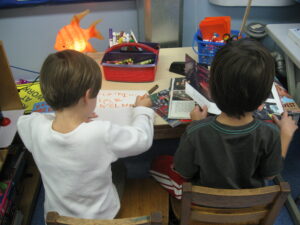
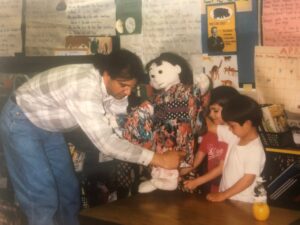
Children are children. In 2025, they might have a veneer of sophistication  that they didn’t have in 1968, but kindergarteners still love, and need,  to play, explore, question, sing, paint, and draw.  

I  hope that there will be changes and that the needs of children will once again be the focus of kindergarten rather than the demands of bureaucrats. However, the reality that we face, for the time being, is that  big publishers are making a fortune. on  producing   materials for mandated programs.

I propose that parents  need not worry about preparing children for kindergarten. It is the job of kindergarten teachers to prepare their kindergartens for the children who come to spend a year with them.http://www.investigatingchoicetime.com/wp-admin/post.php?post=86&action=edit Parents need to INSIST that the curriculum meets the needs of their children. The more that parents become knowledgeable about the needs of kindergarten children and speak up in their schools, the greater is the possibility for change.Parents have strong, important voices and  need to be advocates for their children. A good start is to get a copy of Yardsticks : Children in the Classroom Ages 4-14, A Resource for Parents and Teachers. https://www.amazon.com/Yardsticks-Children-Classroom-Ages-4-14. Chip Wood’s book helps parents and teachers have a clear understanding of children’s behavior and development at different ages. It’s presented in a way that is easily understandable. I’ve often been amazed at how on point he is in describing the children in my class!
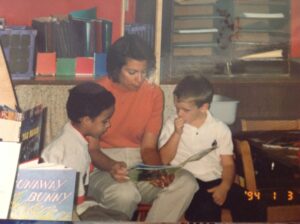
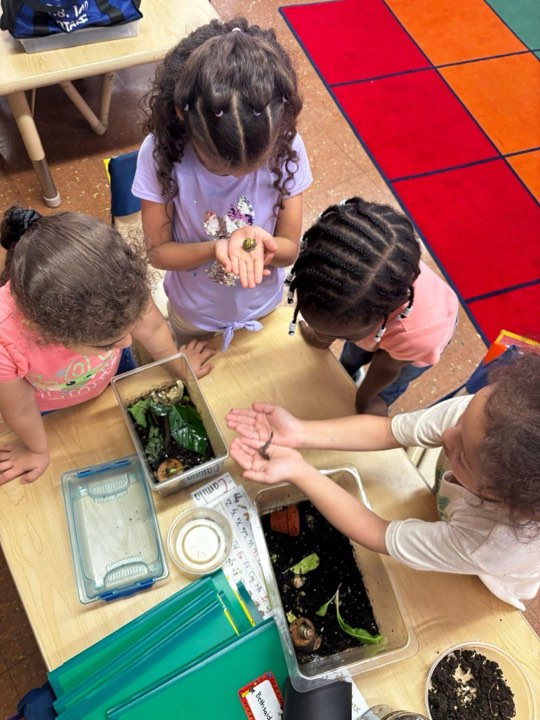
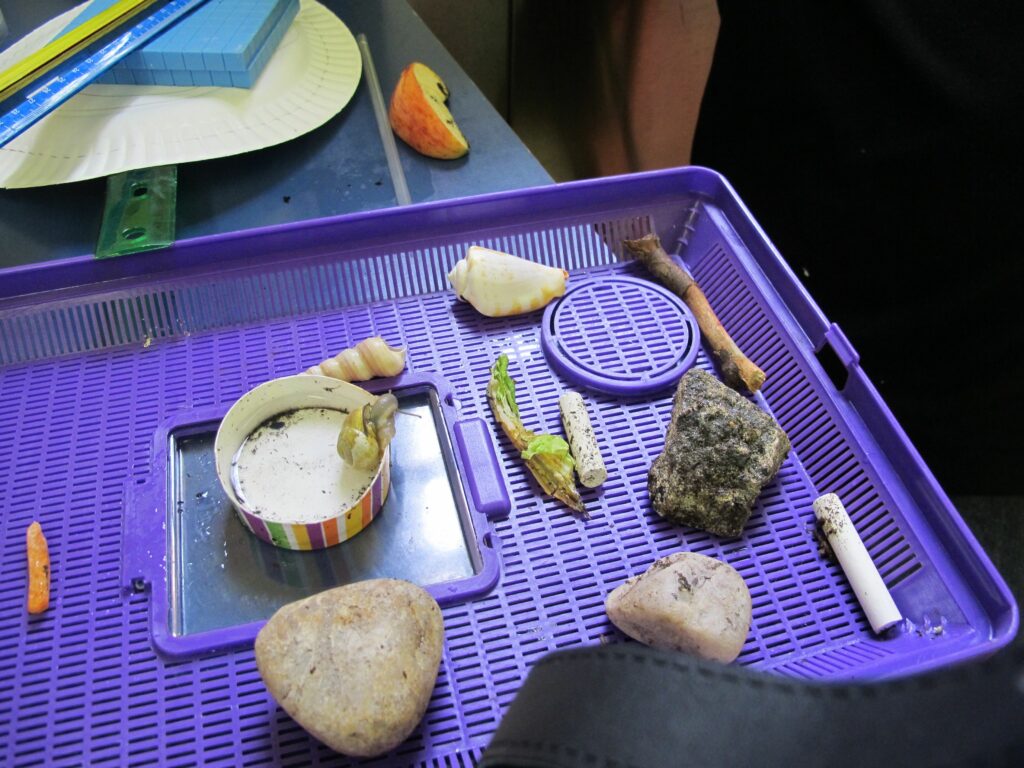
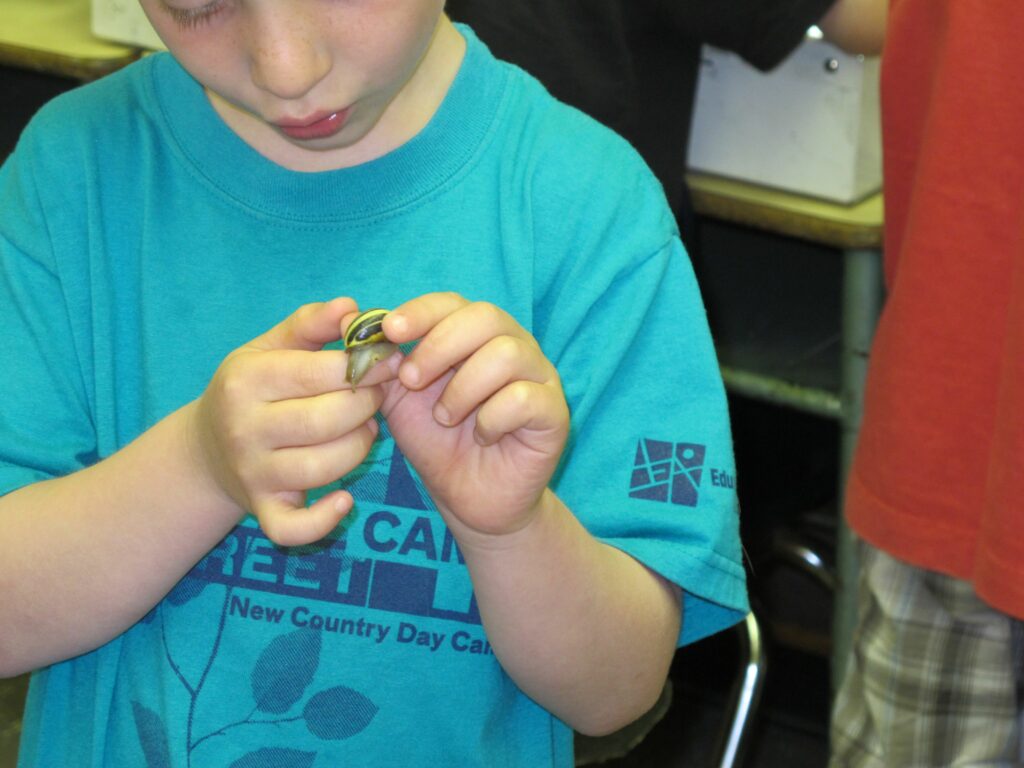
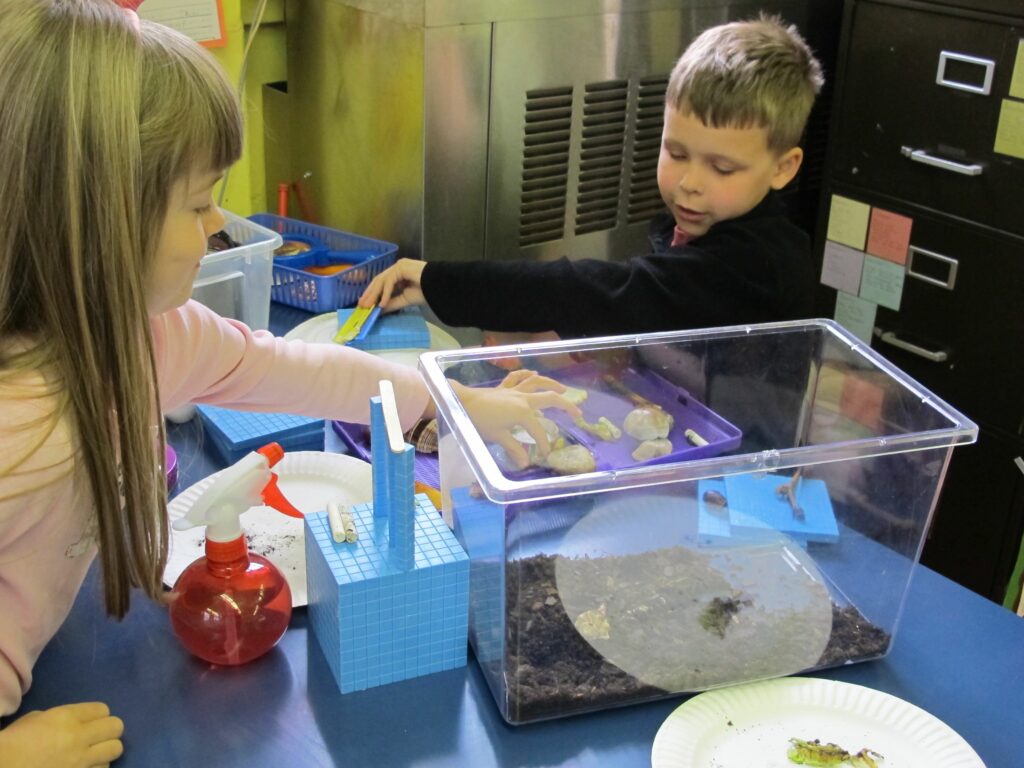
Kindergarten teachers face a more difficult situation,  particularly when they are handed inappropriate scripted curriculums .They are often  checked on by administration or   representatives from the district office to be sure that they are following the entire program. However, there’s always opportunities to ‘stray’ and to set a spark in your room. Pam Roque, a kindergarten teacher in lower Manhattan, brought snails into her classroom and set up a science center. The children were fascinated and so, after a while, she added slugs to the tank to further provoke the children’s curiosity.

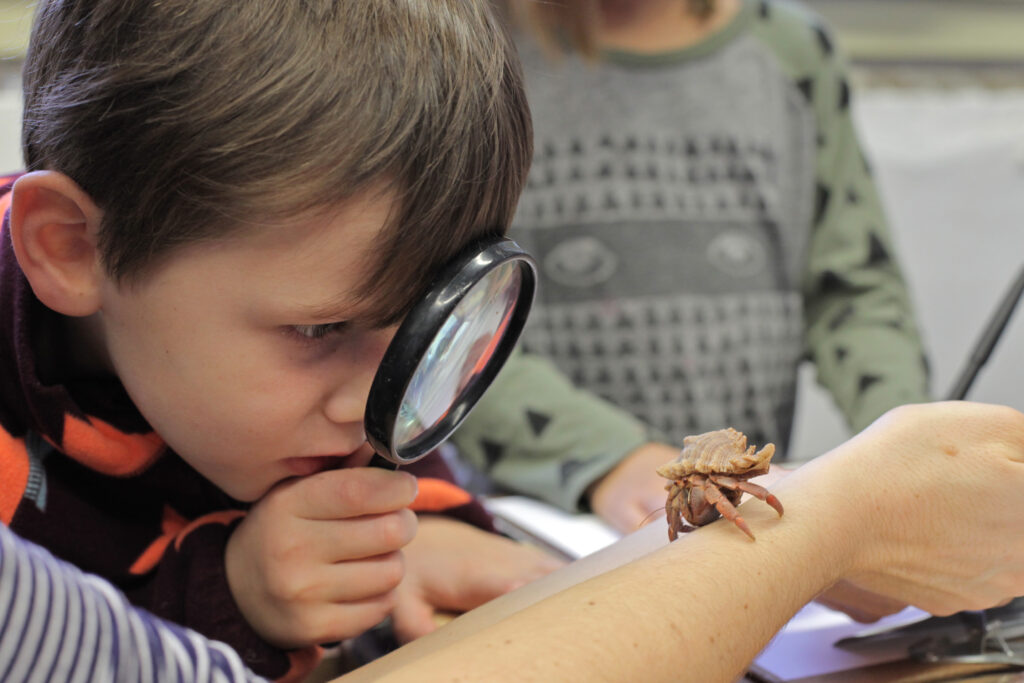
Kindergarten teacher Fanny Roman brought a hermit crab to class. The children became so excited and a mini-inquiry began.As these two teachers did in their classrooms, you too can look for the cracks and find opportunities or moments to bring  joy into your teaching. In addition, you can advocate for your children at grade meetings. Refer to studies (there are many!) that discuss the importance of play. Sing! Don’t sing with songs projected from a smart board. Sing with children personally and from your heart

Keep thinking of and prioritizing the needs of five year old children.

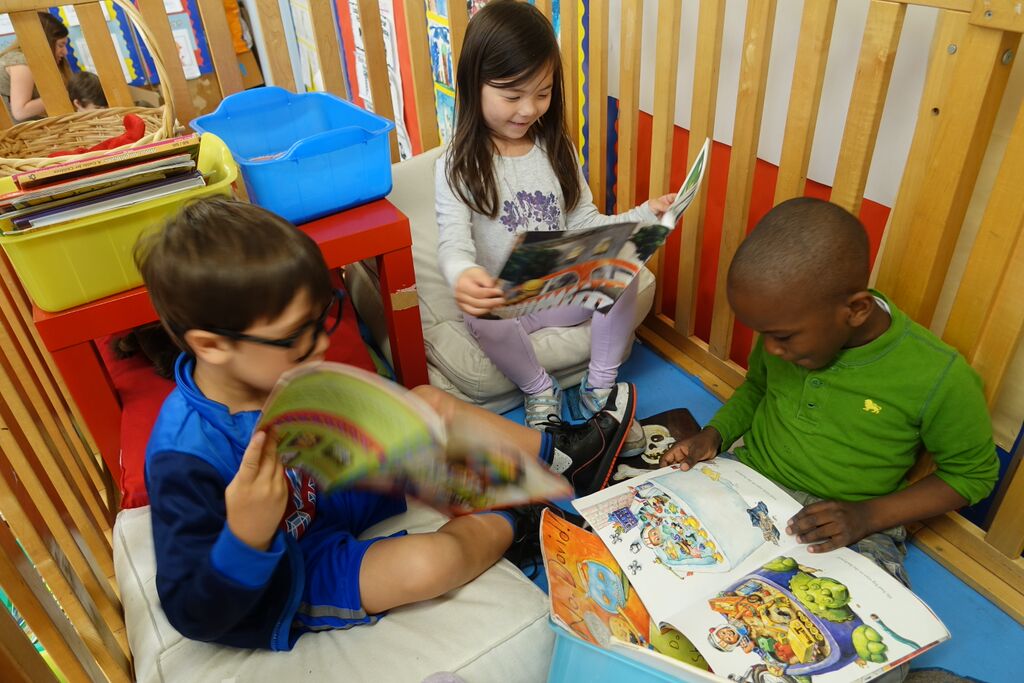
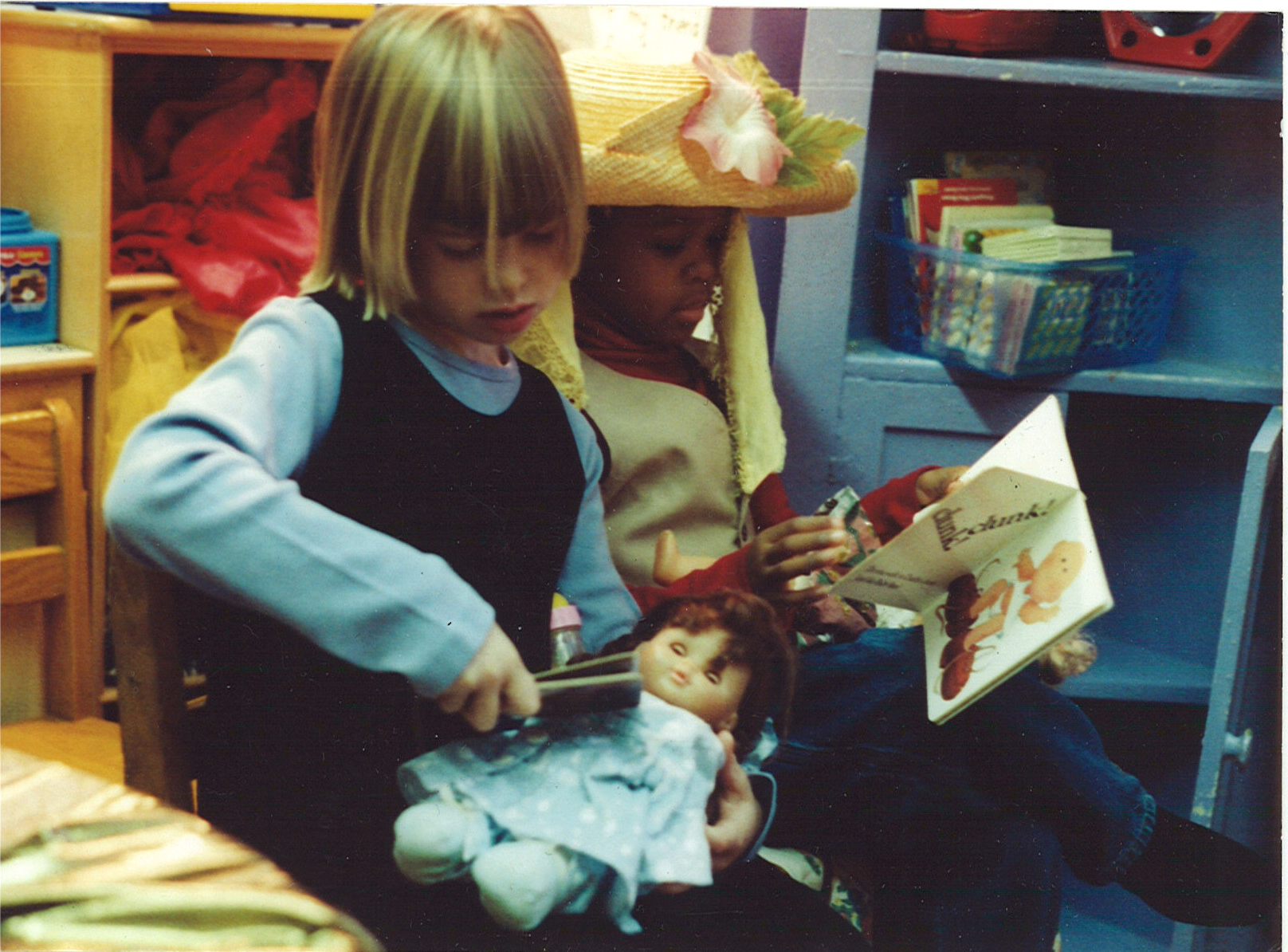
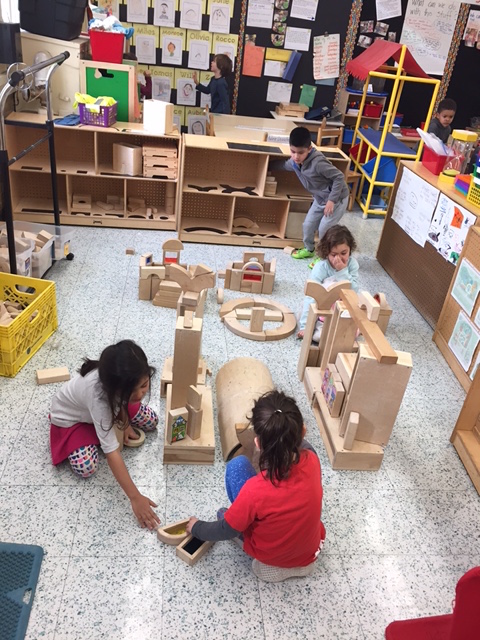
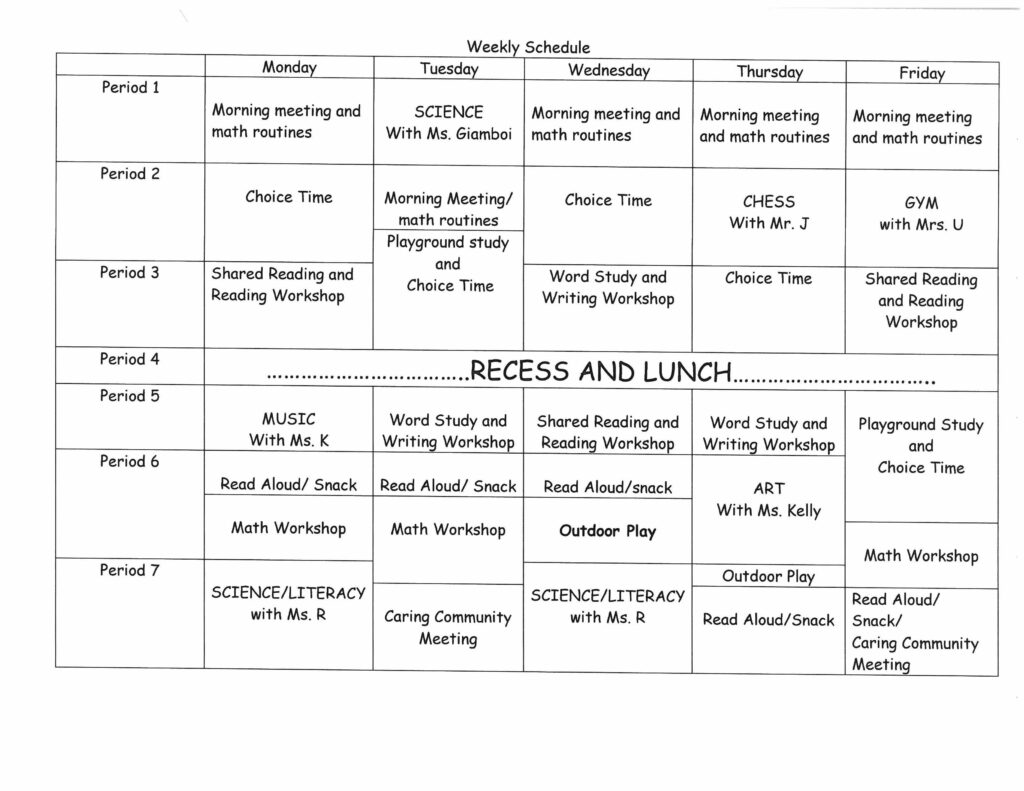
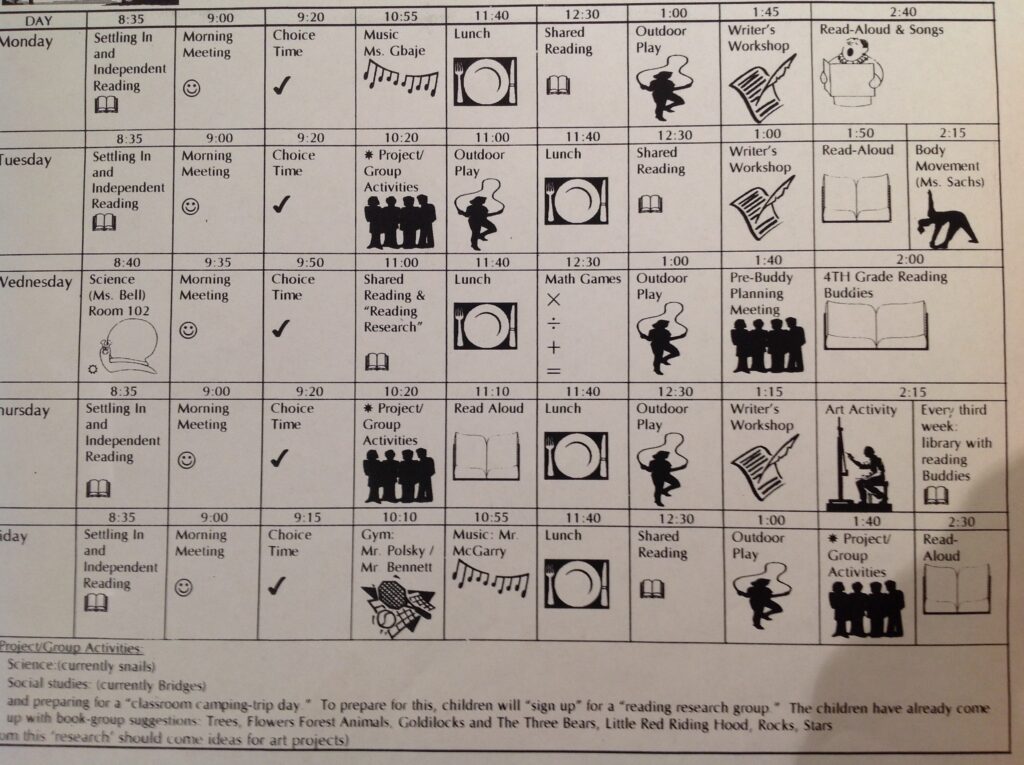
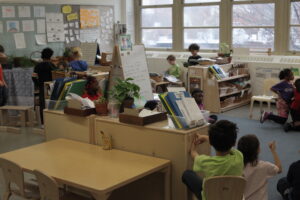
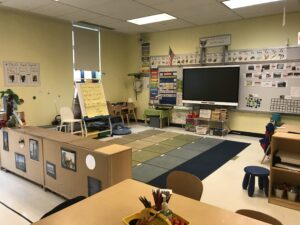
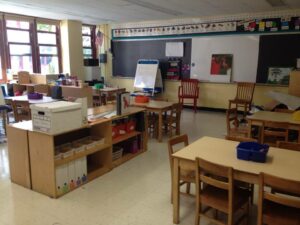
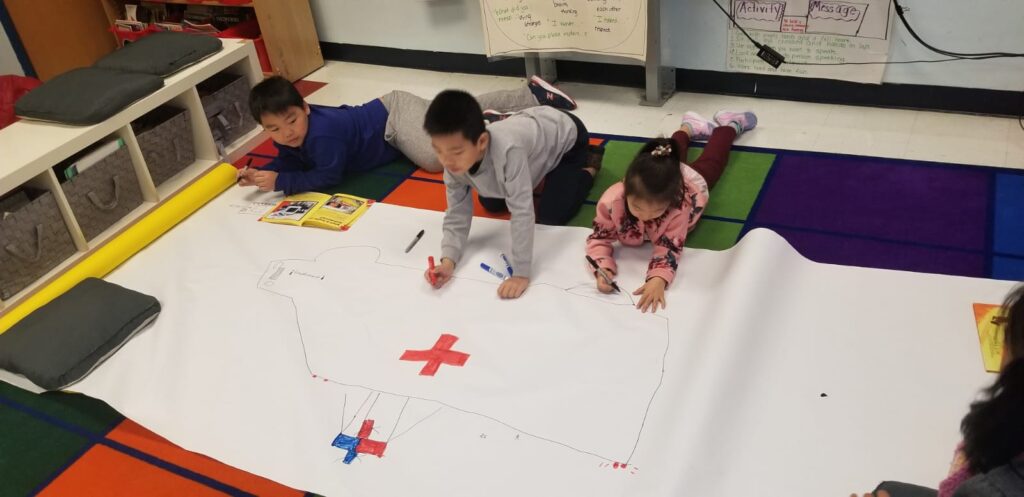
Finally, parents and teachers, which of these classrooms do you want for your children? 

This kindergarten class


or this one?

Let your voices be heard! Speak up for the kindergarten class that your children deserve.


The Queer Liberation of Schools

Guest Blogger- Doug Hecklinger*


Happy Pride? It’s a journey.

Schools should be safe a space for all children; where they can feel pride for who they are while learning about and celebrating those who are not like them. As a Queer 4th grade teacher in Brooklyn, NY who spearheads the Diversity, Equity, and Inclusion (DEI) initiatives at our school, this has become such an important part of why I still love to teach even after 22 years. .

I grew up in Connecticut in the 1970s and 80s, very much in a culture of fear, misinformation, and bias with regards to the Queer community. I never read a single book with a queer character, never learned about Queer people or events in history, music, art, the sciences, etc., and never had an “out” teacher. My health classes were heteronormative, as were all of the social norms among my peers. The only time being Queer came up was as a way to bully or with regards to AIDS (with an undertone of how the community deserved to suffer due to their sinful ways). No pride whatsoever, only shame.

This was addressed to some degree in the decades that followed with an “It gets better” campaign where (mostly Queer) celebrities were filmed telling Queer kids that it gets better when they become adults. As an adult, I was moved by this, particularly when a sitting President, Barrack Obama, participated. Since Queer oppression has similarities to all forms of oppression, his message, with a dual focus on anti-black racism, was powerful. And it was worlds away from one of the Presidents of my youth, Ronald Reagan, who famously never once mentioned the Queer community despite the AIDS crisis at the time. “It gets better” assured youth that pride would come, if they could just hold on through the culture of shame in school.

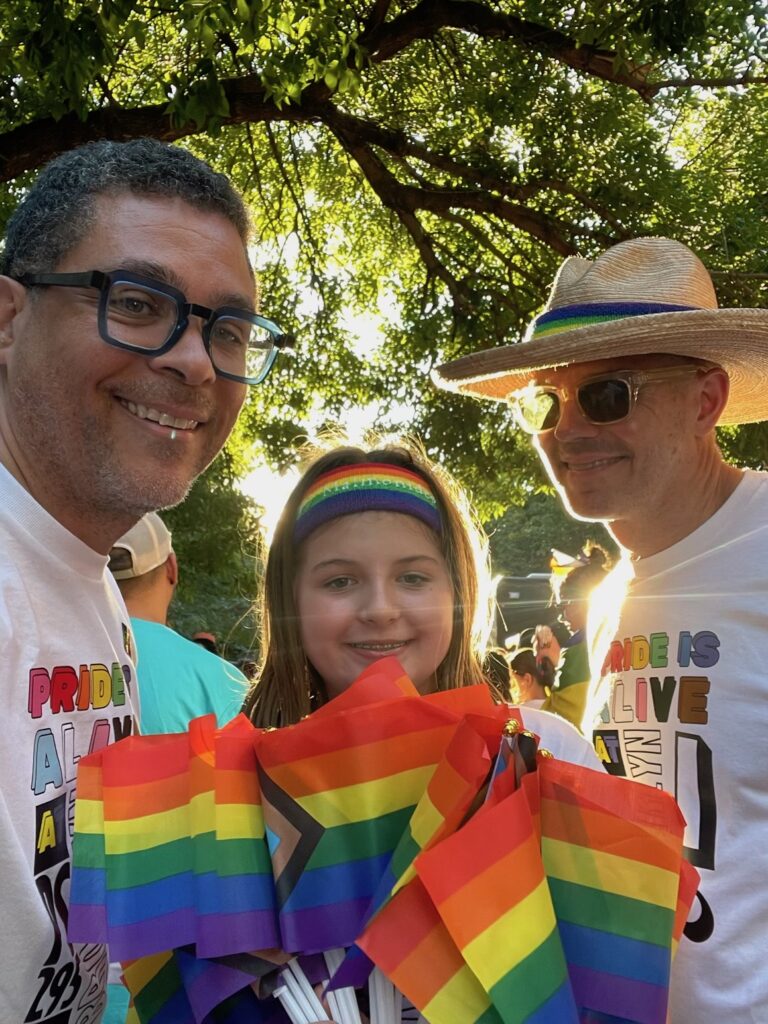
I wonder if you can imagine how moved I was this year when my elementary school marched in the 28th Brooklyn Pride parade for the very first time. Though we are a small school with only 200 students, over 50 people marched – students, families, teachers, the guidance counselor, and the school secretary. Most of the people who marched identify as allies, who, as mentioned above, wish to celebrate those not like them. The DEI resources shared in K-5 classes during Pride Month, had fostered a sense of love and respect for Queer culture, and they wanted to join in the celebration.

While marching down a very crowded 5th Ave in the neighborhood of Park Slope I looked into the 5-people-deep spectators and saw people roughly my age or older weeping. Like me, they could not believe that, at least in our school, there was no need for an “It gets better” campaign. It is “better” now. The journey of Queer liberation at our school turned the corner from being a topic only addressed if we witnessed bullying to something we intentionally integrated into our academic day. These efforts serve as both a window into (for allies) and a mirror of (for those who are Queer) the Queer identity. Pride had arrived.

As I continue to reflect on all of this, I am aware that this journey of liberation has a long way to go to affect the current statistic from the Trevor Project – that a member of the Queer community in the United States attempts suicide once every 45 seconds. I know that our school is not the norm, even here in Brooklyn, and that our own journey is far from complete. The degree to which we keep making progress is also the degree to which we stop causing harm. Pride must win to defeat shame.

My scars from being raised in a toxic culture continue to heal, and this year’s Pride Parade was one of the best medicines. Never has my calling to be a teacher been as compelling as it is now. Proud Queer educators like myself obviously have a lot of interest in leading this work, though I hope allies can see their role too. Safe schools require all of us to march together on this journey.

Please say it with me. Happy pride!

*Doug Hecklinger has been teaching in New York City for 22 years, first at P.S. 159 in East New York, and for the last 10 years at P.S. 295 in Park Slope. He has taught 3rd, 4th and 5th grades. He is a member of the Proud Educators group promoting inclusive schools, and is “out” as Queer in his school community, including to his students. He and his husband also live in Park Slope with their nearly 12 years old daughter and dog, Lawrence.

THE IMPORTANCE OF KINDERGARTEN

Exploration is what you do when you don’t know what you’re doing. That’s what scientists do every day. If a scientist already knew what they were doing, they wouldn’t be discovering anything, because they already knew what they were doing.  (Neil de Grasse Tyson) 


I’ve been hearing so many reports about Kindergarten teachers not being allowed to include Choice Time in their programs or only giving children 20 minutes at the end of the day for play. This is so upsetting and harmful to young children. Because of this lack of opportunities for play, I’m taking a new look at and reviewing an older blog entry. Hopefully teachers and parents will read what I write and share it with their administrators.


Choice Time is not a time to give children tasks. So then, what, in my opinion, is Choice Time?

It is a wonderful opportunity for children to direct their own play and therefore, their own learning. The teacher, of course, plays an important role by carefully setting up centers with materials that provoke investigations. However, it is the child who discovers and determines ways of using the materials.

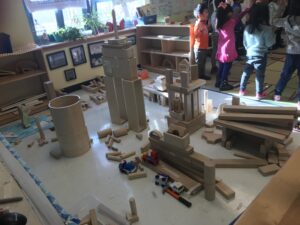
Consider the block center. If you watch a group of children building towers, spaceships, and castles in the block center, you will see them developing in so many important ways—physically, mentally, and socially. First, children building with blocks are physically active. Often, children are in almost constant motion—getting blocks, arranging blocks, and playing with the castle while it’s being constructed and after it’s built. They are also mentally engaged as they propose and revise plans, “What if we put the big blocks around our spaceship to protect it?,” and also as they reflect on what is and isn’t working, “See, the big blocks are working. The small blocks aren’t falling!” And like all children who build together with blocks, there are interpersonal challenges and opportunities for learning to collaborate and negotiate with others.

Children who are building with blocks are also developing many conceptual, disciplinary understandings related to their play. They experiment with balance, stability, and aesthetic appreciation as they arrange blocks on top of or next to one another. They practice mathematical and scientific thinking as they classify blocks according to size, weight, and shape or as they search for just the right piece to add to a structure. They become familiar with geometric shapes such as triangles, arcs, rectangles, and squares. And they practice communication skills as they collaborate and negotiate while building a structure together.


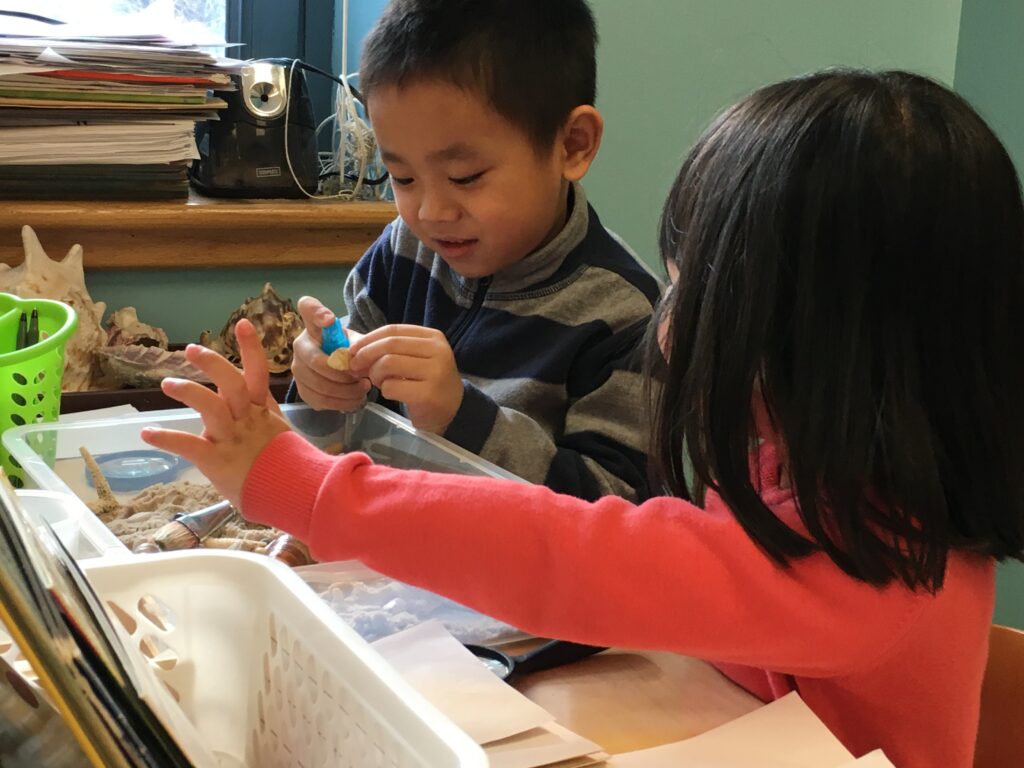
Many classes seem to short-change the science center, creating only an attractive display. It’s my experience that children find fascinating ways of exploring if it’s set up and introduced well. When planning the science center, it’s helpful to think about your students and the experiences they will most likely bring with them to school. This is important because if children can access prior knowledge, it will help them feel successful in their first explorations in the center. Since geographic location is the one thing all your students will have in common, it’s a good place to start planning. A seashell exploration made sense for one particular group of students who lived so close to the ocean.  However shells are probably not the best choice for children in the middle of rural Iowa. A soil or rock exploration might possibly be a better fit in such a location.

For this center, materials can be those that are easy to obtain, inexpensive, and open-ended enough for children to be innovative in their explorations. It’s also important that children be able to work with the materials both independently and safely. If the teacher has to hover too close as children use the center, they will come to be dependant and less likely to guide their own investigations. While every group of children is different, here are some tried and true materials and topics that reflect the interests and curiosity of most children: seashells, snails, and hermit crabs; magnets; seeds and pods; leaves, branches, tree pods; plants and flowers; water; color; sand, pebbles, and rocks; life cycles (butterflies; frogs; mealworms); baby chicks in an incubator; bird feathers, bones and nests; shadows; insects; snails.

Without a doubt, after just a few weeks in school, teachers will have all kinds of ideas for science explorations that make sense for their particular group of children and their interests. The possibilities are really endless and very often new ideas arise from children’s questions. For example, in April of 2010, one my first-grade students brought in a newspaper article about the Deepwater Horizon oil spill. As we discussed the article, the children were both disturbed and fascinated by the challenge of cleaning up the water. We decided to become oil-clean-up scientists and conduct experiments in the science center. We filled pans with water and dripped varying amounts of oil into them, then tried to clean the oil from the water using a variety of materials. The most successful straining implement turned out to be a bird’s feather, which led us to wonder what happened to the ducks in the water. Did the oil stick to their feathers as it stuck to the feather in our experiment? This question led to more questions and research on the effects of oil spills on the natural environment. In the end, a group of children conveyed what they’d learned in a letter to the oil company responsible for the spill!

In my book, Choice Time: How to Deepen Learning Through Inquiry and Play, I focus on more centers and a lot more information on setting up centers and observing children at play.

When interest in a center wanes, it opens up a few possibilities. A new material might be added to the center, provoking interest. If shells are at the science center, a tank with hermit crabs or snails can be introduced.


It might be time to retire that center,at least for the time being. Perhaps the teacher could present the children with  observations of how she noticed a lack of interest in the center. The children might come up with ideas for “remodeling” that area to make it more interesting. They could brainstorm for different ways that the center could be used; what might take place at that activity? Perhaps at a Read-Along center the children might suggest having drawing paper so that they could draw pictures that the story brought to mind. The teacher might suggest adding an iphone or tape recorder to the center so that children could tell and record stories for other children to hear. On the other hand, they might agree that the center is no longer interesting to them and suggest putting it away.

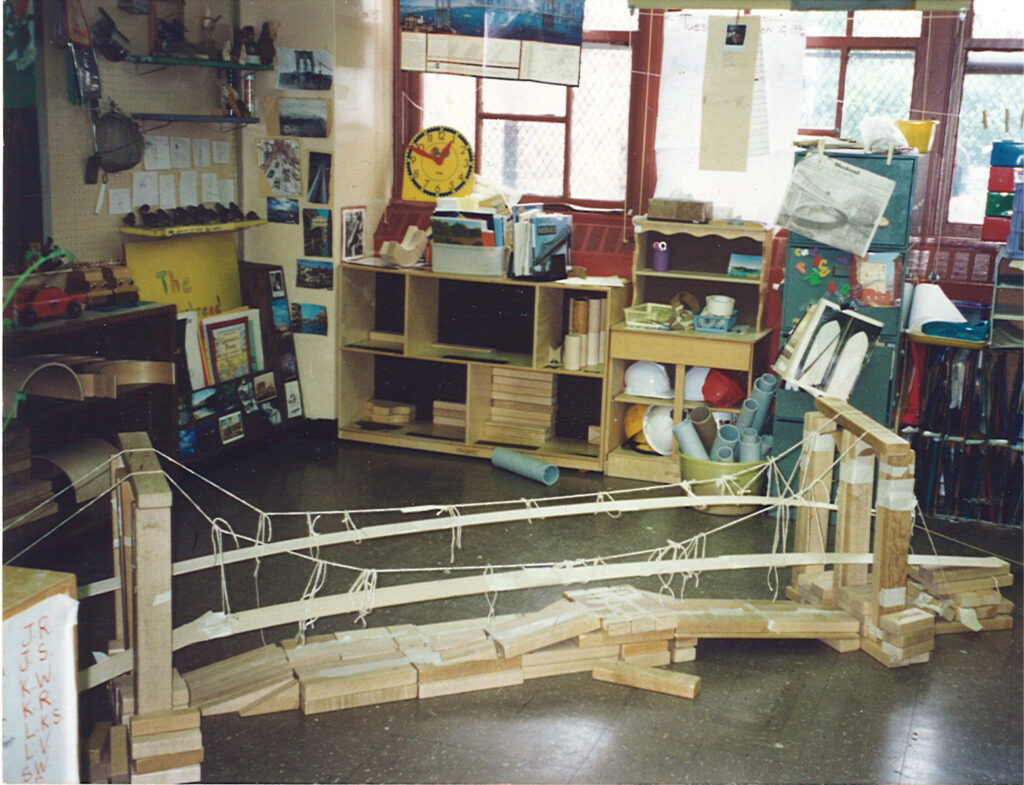
One year when my kindergarten class was in the midst of a long and exciting study of bridges, I noticed that the bridge constructions were becoming more and more intricate, taking up all of the space in the block center.


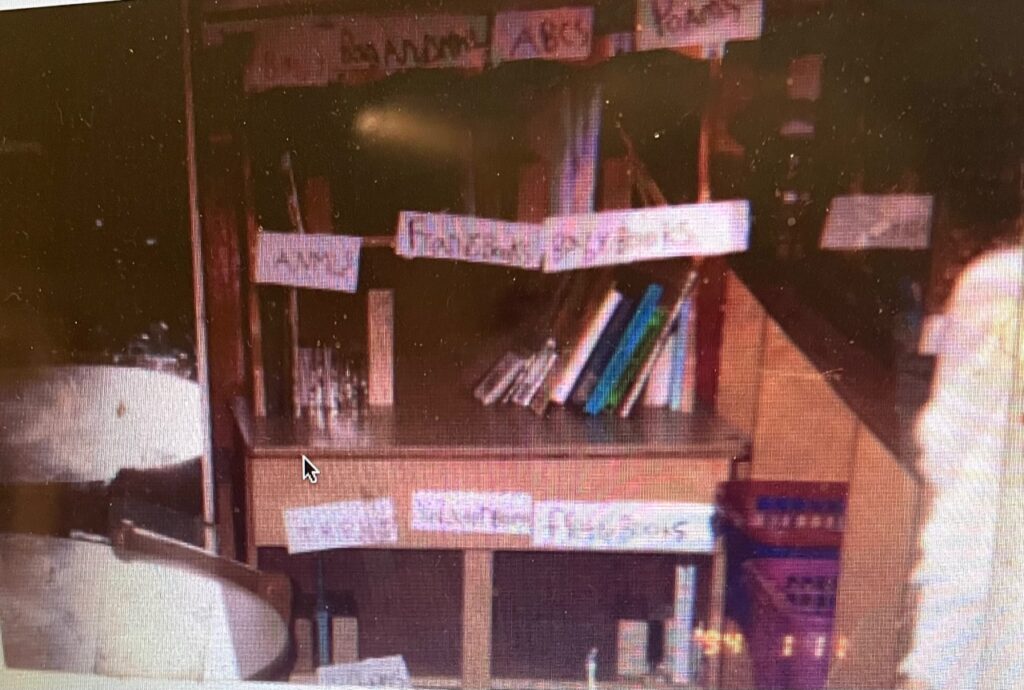
Abutting this area was our very under-utilized dramatic play center. I thought that it might make sense to close up the dramatic play area and extend the block center. I was so sure that the children would appreciate this change since they practically never went into dramatic play during this period. I shared my thoughts with the class and to my great surprise there was an uproar of dissent. Absolutely nobody wanted me to take away what we called “the pretend center.” One child suggested that we make it a smaller pretend center. I questioned whether there would be anything that they could do in a small pretend center but the children thought that it could be a little store. After two days of discussions, it was decided that we would open up a little bookstore and that we could make the block area a little bit bigger. Unexpectedly, we were now beginning a mini-inquiry study of bookstores!

We visited a bookstore in the neighborhood, interviewed the workers and the bookstore owner, sketched and discussed the arrangement of the books in the store and stood outside the store observing, drawing and photographing the way the store looked from the street. A few weeks were spent transforming the dramatic play area into a bookstore. Because it was a little bookstore, children who chose the writing center were busy writing little books. Our classroom library was searched for little books to add to the store collection. Children built an awning, made signs, constructed a cash register and made paper money, and wrote labels for the shelves, organizing the little books by subjects, just as they saw when they visited the neighborhood bookstore. This exciting curricula detour lasted a few weeks and shows what can happen when children are challenged to consider and solve a classroom problem. The students were taking ownership of an important classroom issue.

Choice Time is part of  kindergarten  because it is essential that children have opportunities to play, investigate, explore, socialize, collaborate, think out of the box, play with a box, create…. have fun!


WHAT TO LOOK FOR IN A KINDERGARTEN CLASSROOM

If you would consider taking advice from a long-time kindergarten teacher who appears, in these days,to be a dinosaur,  here’ are my thoughts on what to look for in a kindergarten class.

To begin with, I’d like to scratch out all of the suggestions and ideas for getting your child ready for kindergarten.  It is better to concentrate on , “How is this school, and this teacher, getting the kindergarten class and program ready for my child?”

So then we have the job of checking to see if the kindergarten is ready for the child. Perhaps begin by thinking of some goals that you might have and then look carefully at how the room is set up and how the day is planned to see if they are aligned with your expectations.

This is a fairly long list. I’d say that it is for a parent’s ongoing assessment of what happens in their child’s kindergarten class over the course of the school year.

I might begin by asking myself if this is a place where my child can develop and build self- esteem. What, in this room, will support this?

Does this teacher value curiosity and divergent thinking? How does the classroom environment reflect these values? Are there many areas in the room that are set up for open-ended explorations, where children can explore personal projects and ideas or do centers have “tasks” that stunt creativity and investigations?


Does the daily schedule place a primary value on indoor and outdoor play, discussions, and singing? Today, most public kindergartens have time for reading, writing, math, and phonics in their programs. However, in the rush to meet standards and to address new curriculums, this most important part of kindergarten often gets either left behind or scaled down inappropriately. I taught the same children for two years, kindergarten and then first grade. We called this “looping” with a class. I could see how well the children did academically in first grade when they had a kindergarten year that was filled with Choice Time, Inquiry projects, lots of books read aloud, interesting group discussions and plenty of singing.

Remember, this is KINDERGARTEN, Kinder meaning children – the children’s garden!


Is this room reflective of the teacher as a facilitator rather than as the major source of direct instructions? Are tables and chairs organized so that children are always facing the teacher or are they incorporated into centers scattered about the classroom?


                                                                                  (Getting a room set up before the schoolyear begins.

Does the classroom library represent a diverse population where all children can find books that speak to their ethnicity, culture and gender identification? Can my child find new books but also wonderful children’s classics. Are the books enticingly displayed and easily accessed by children?

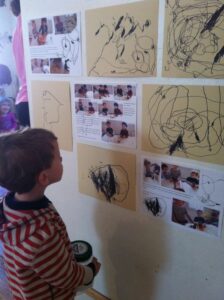
Do you see any signs of inquiry projects that are built upon children’s questions? Is the progression of the project displayed so that the visual documentation focuses on the explorations rather than only on finished projects?


Computers and technology are a reality. However, it’s important that they aren’t used asgames and technological work books. Children can use computers, just as they use books, to figure out problems, to research, to communicate with pen pals from other classes and locations and for a variety of creative activities.


What is the relationship between the teacher and the parent or caregiver? Is it a relationship of mutual support and advocacy? Are parents welcomed into the classroom? How does the teacher communicate with families? Does the teacher ask you to begin the year by writing about your child, your hopes for your child and your child’s special interests and talents?


It seems to me that we are often forgetting that this kindergarten year is not preparation for the next year of school. Kindergarten should be a joyful, intellectually inspiring and excitingly fun-filled year all of its own.

Let’s not rush children out of childhood. It only comes once. Let’s use this kindergarten year to respectfully honor the importance and specialness of childhood. There’s plenty of time for scholars in the future!